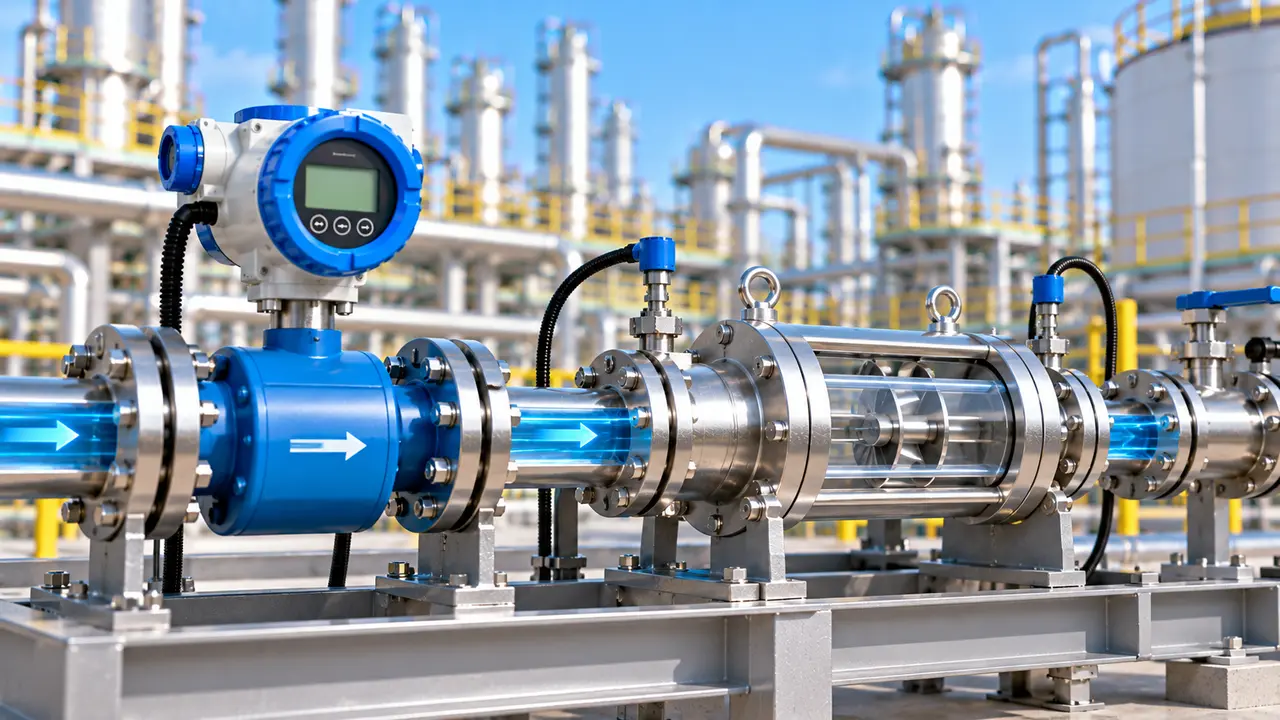
Pulsating Flow Measurement: Causes, Effects and How to Measure It
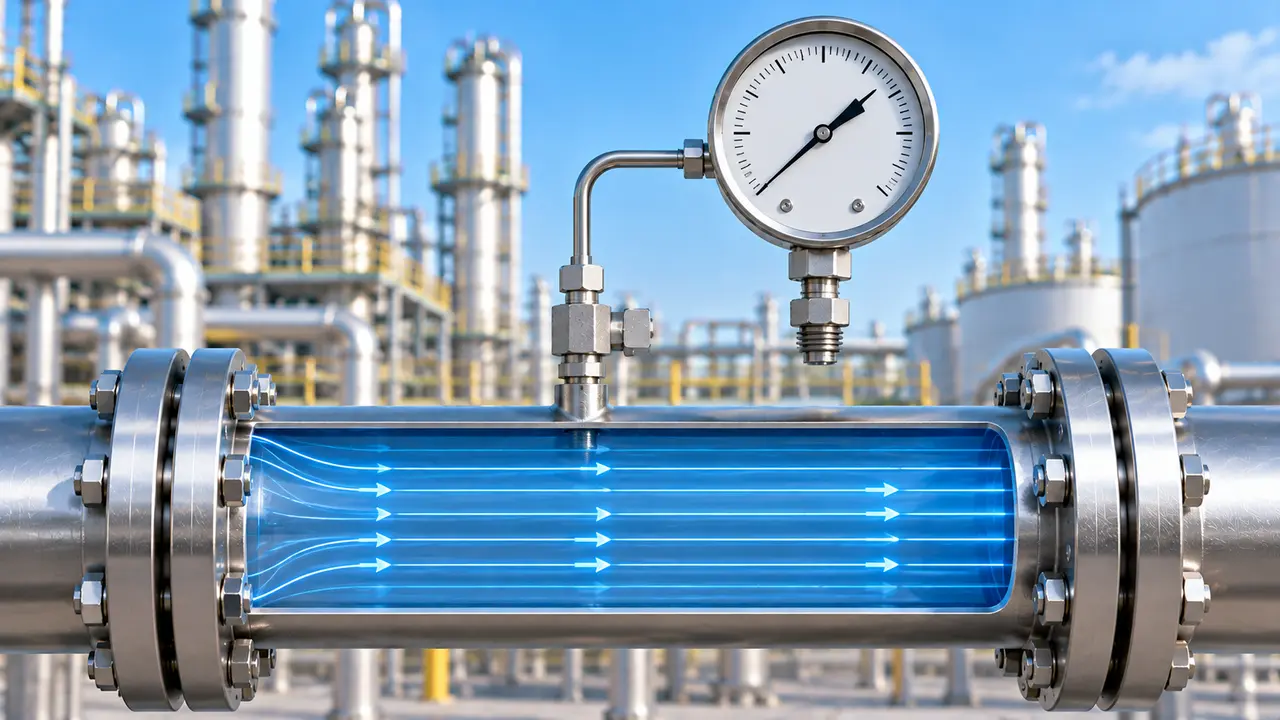
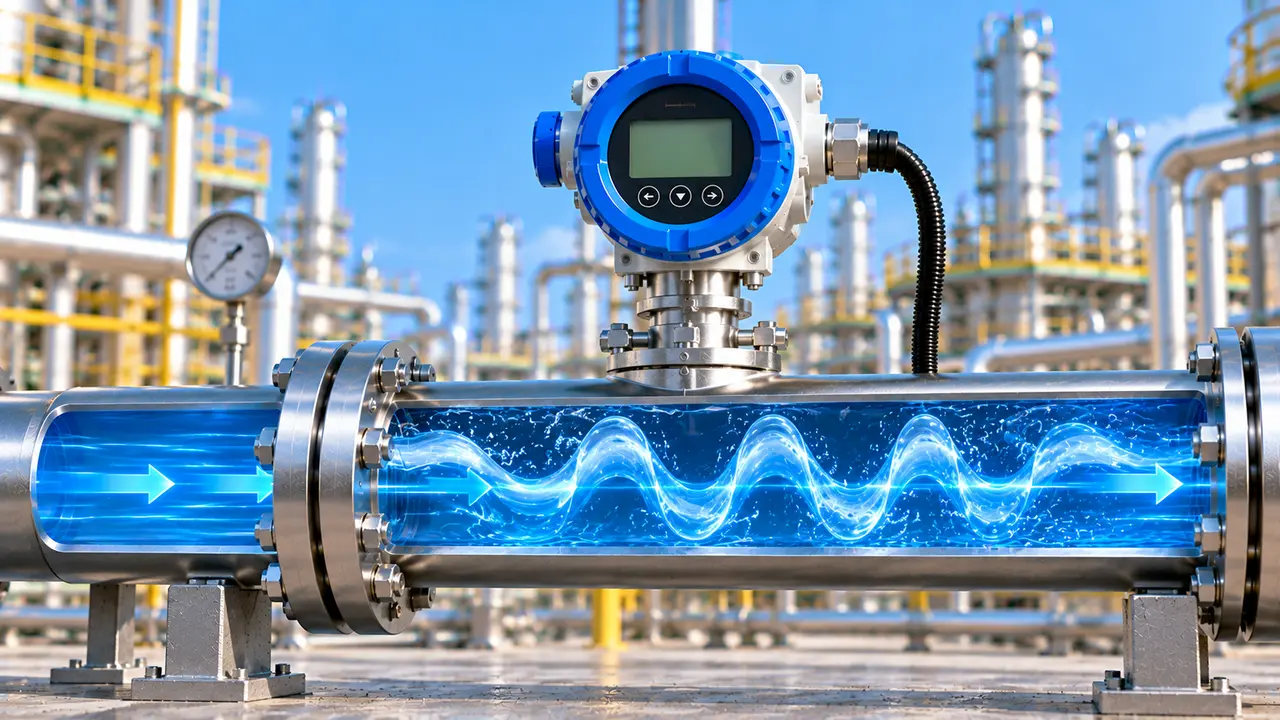
Learn pulsating flow measurement, its causes and effects on flow meters, plus practical methods for damping, signal filtering, installation and measurement.

Learn pulsating flow measurement, its causes and effects on flow meters, plus practical methods for damping, signal filtering, installation and measurement.
Learn flow meter calibration methods using master meters, provers and reference standards, including traceability, uncertainty, test points and calibration procedures.
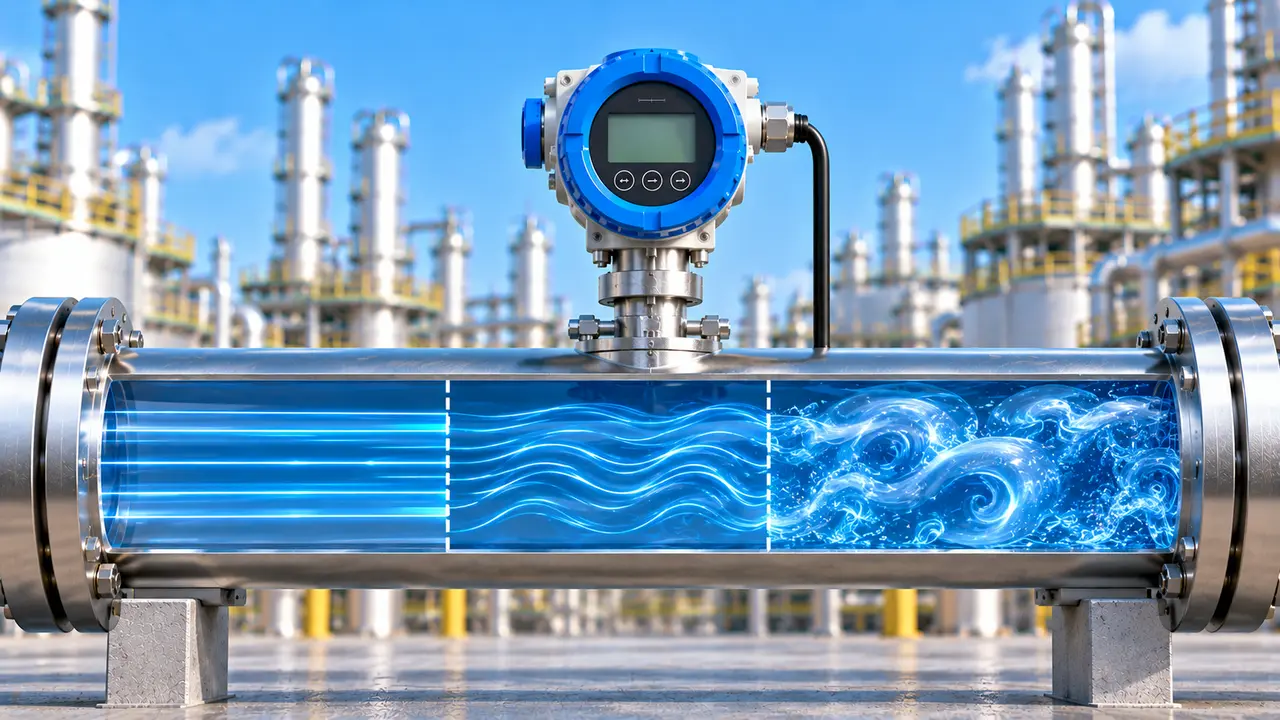
Understand Reynolds number in flow measurement, its formula, laminar and turbulent flow regimes, viscosity effects, and why it matters for flow meter…
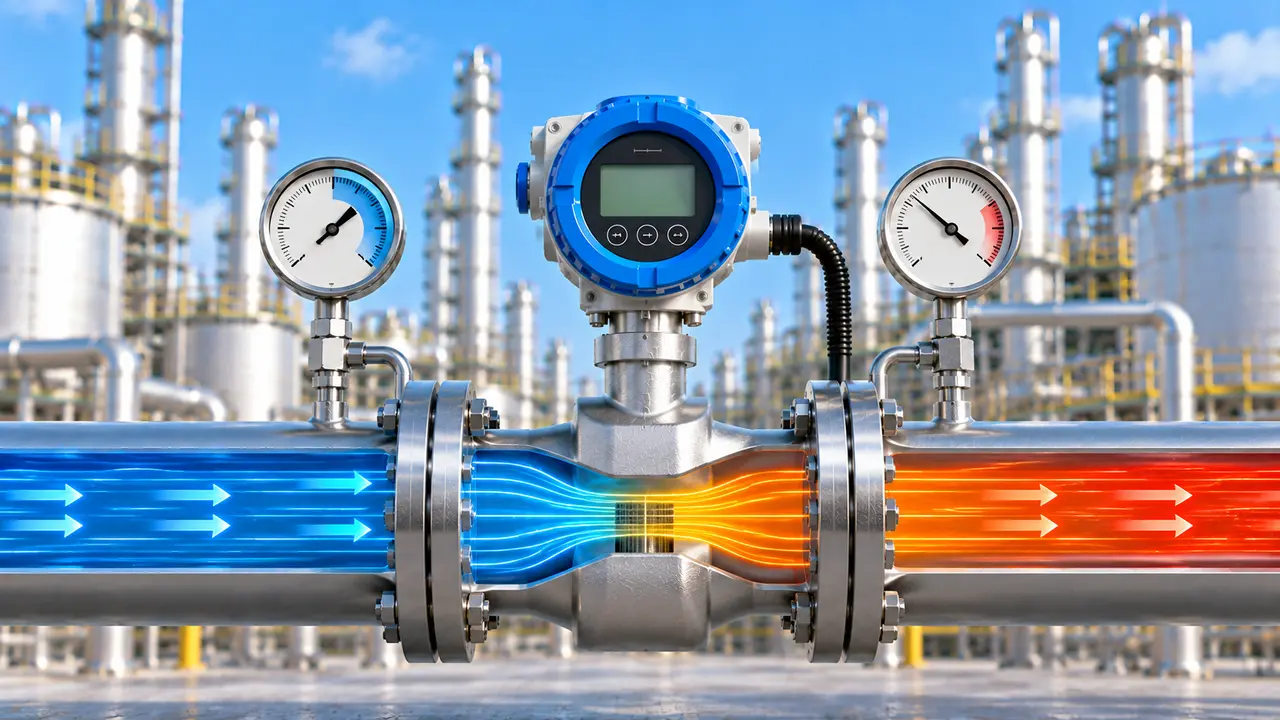
Learn how flow meter pressure drop occurs, how to calculate pressure loss, how meter size and technology affect it, and practical ways…
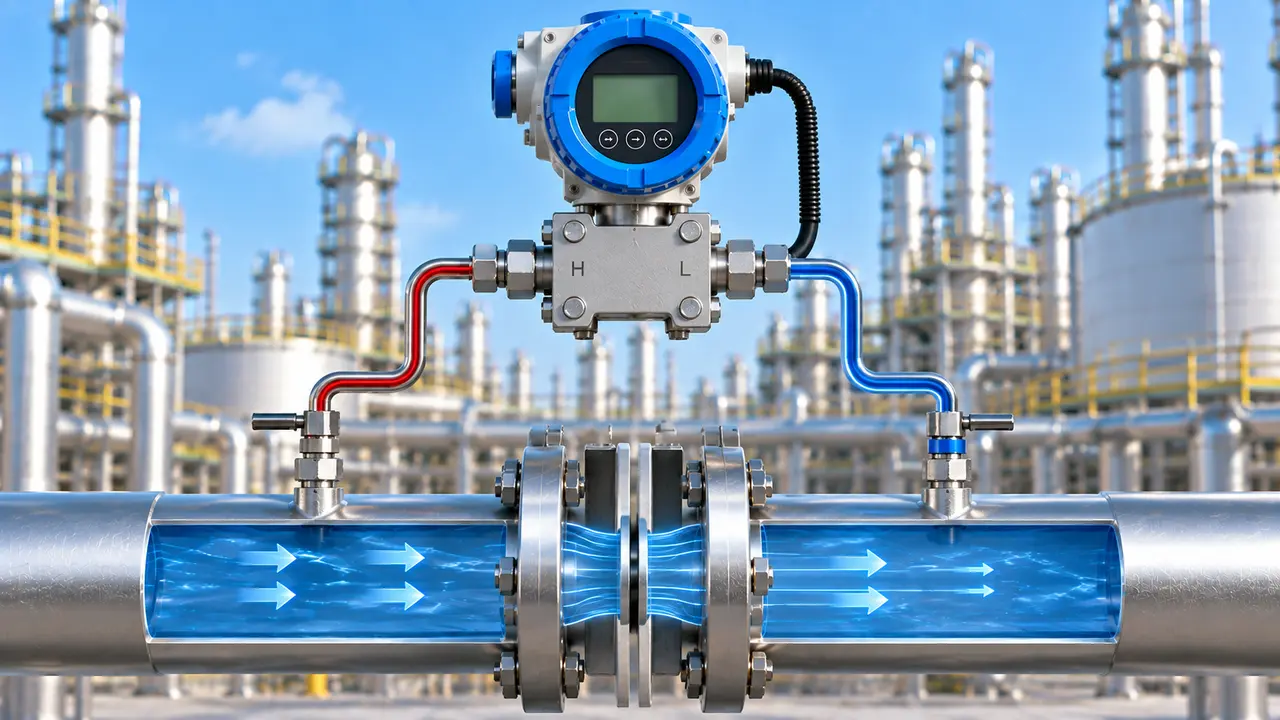
Learn what Differential Pressure is, how it is measured, common measurement methods, applications, and how differential pressure transmitters work.
Learn what Static Pressure is, how it differs from dynamic and total pressure, why it matters, and how it is measured in…
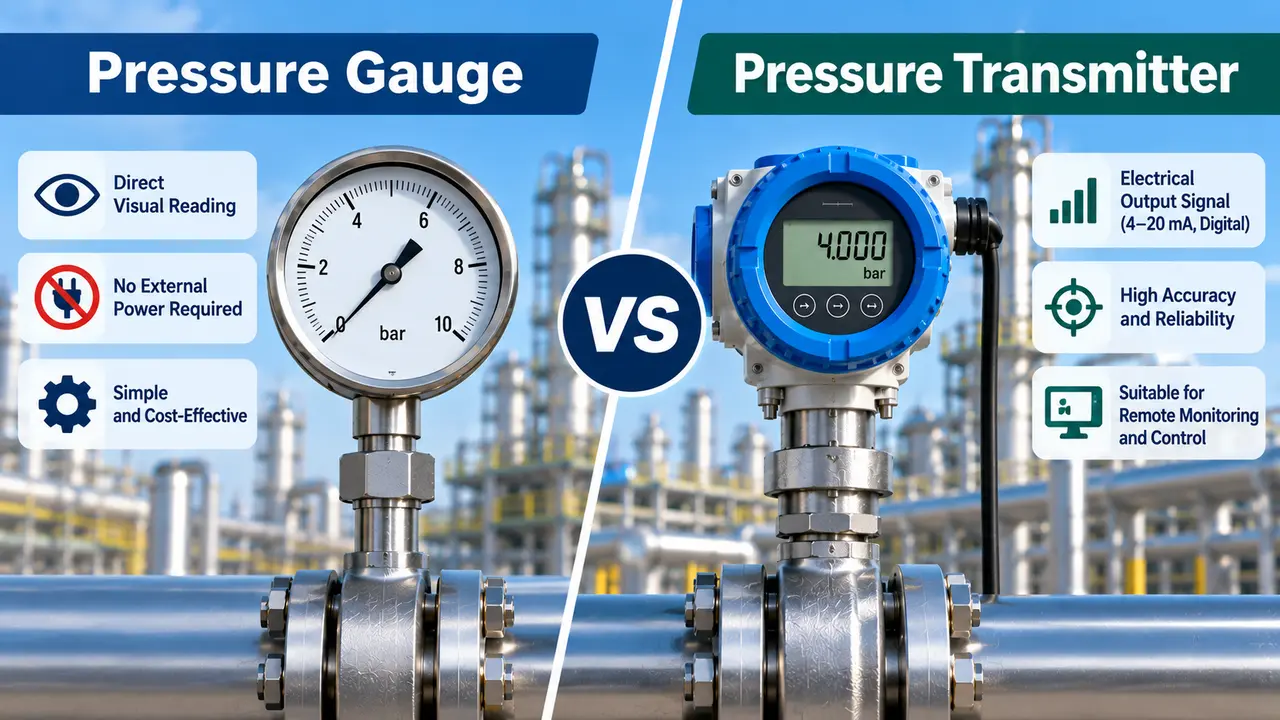
Learn Pressure Gauge vs Pressure Transmitter differences, including working principle, accuracy, output, applications, advantages, and how to choose the right instrument.
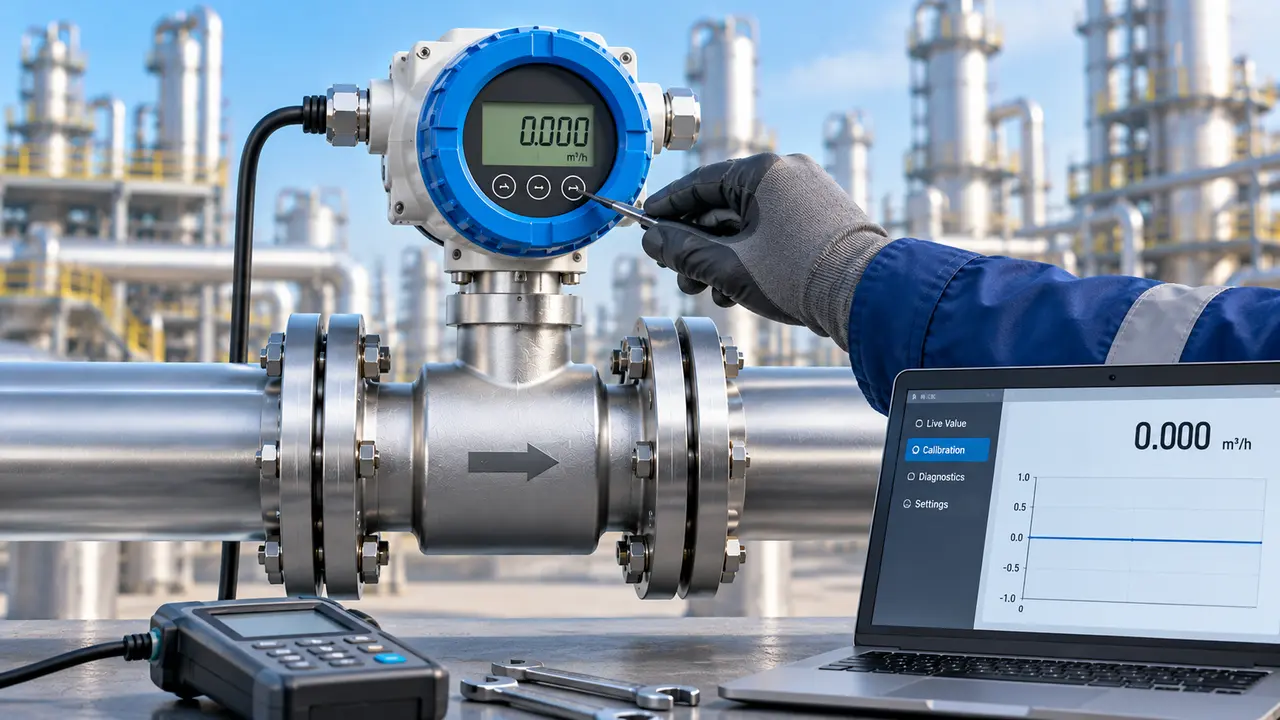
Learn Flow Meter Zero Calibration, including common zero errors, calibration procedure, causes of incorrect readings, and troubleshooting steps.
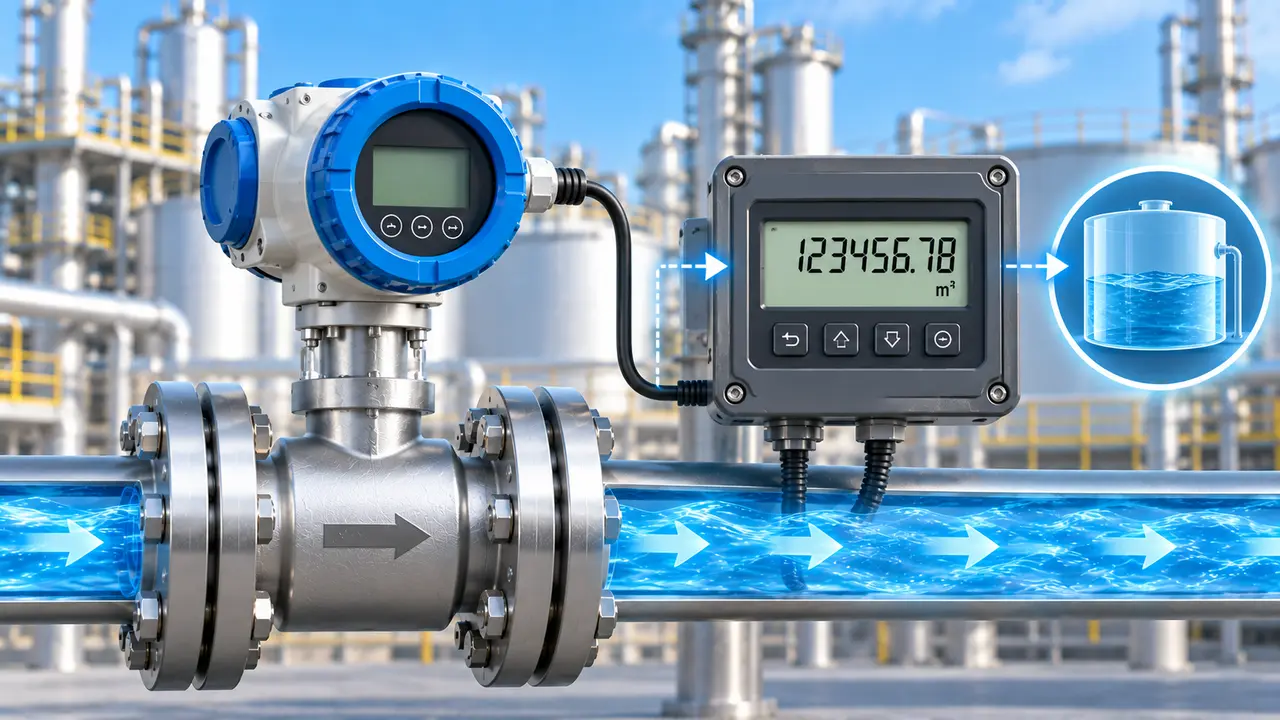
Learn what a Flow Totalizer is, how it works, how flow signals are accumulated, and how totalizers are used for monitoring and…
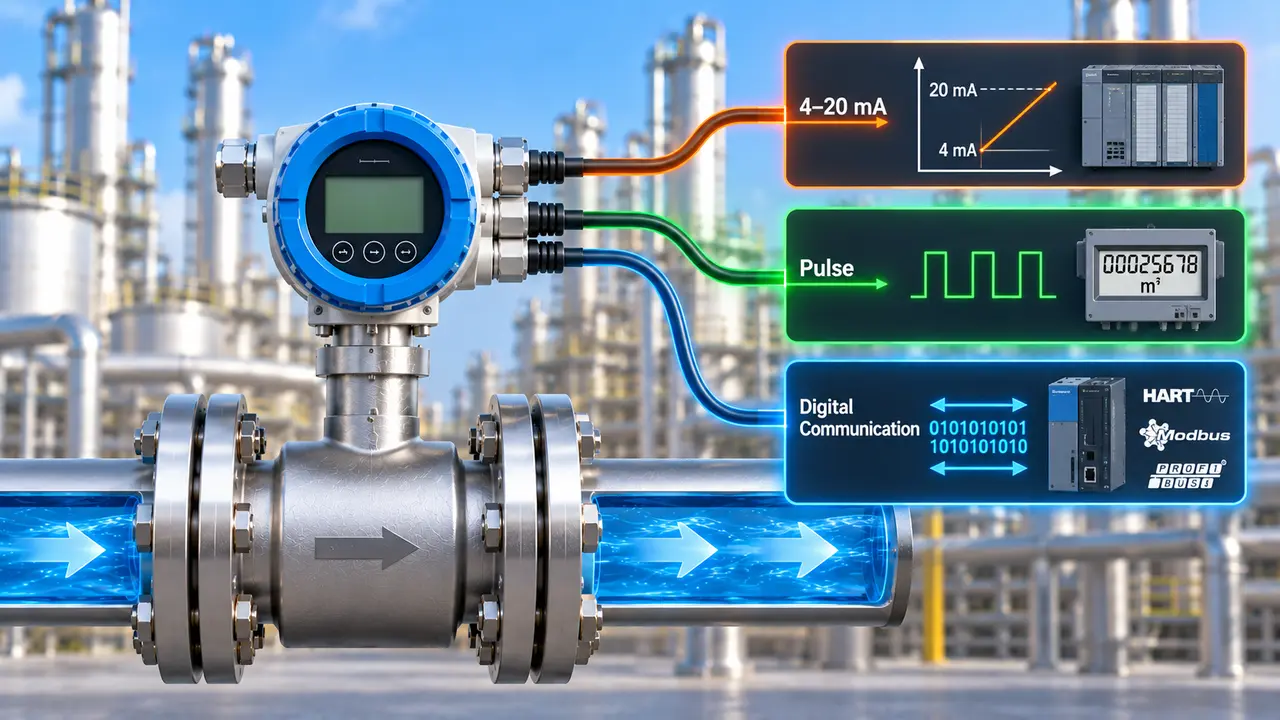
Learn about Flow Meter Signal Outputs, including 4–20 mA, pulse signals, HART and digital communication for flow measurement and control systems.
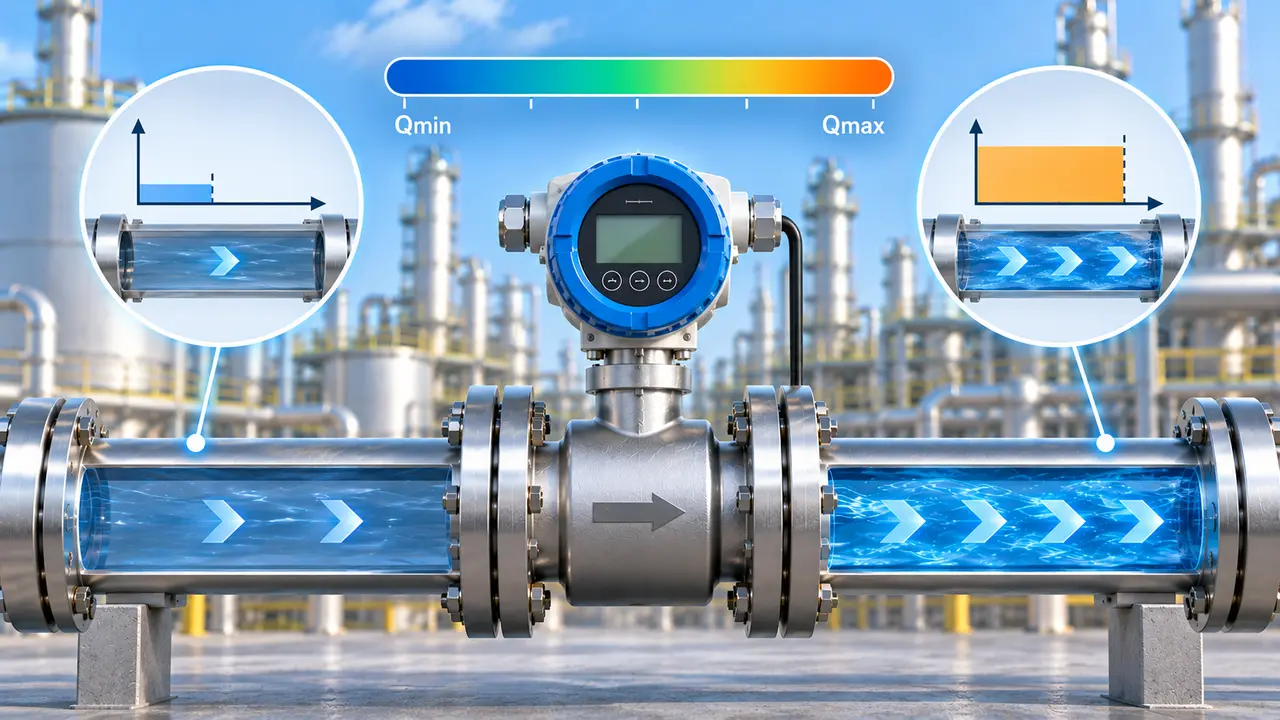
Learn how Flow Meter Rangeability helps select the correct measuring range based on minimum flow, maximum flow, turndown ratio, accuracy, and process…
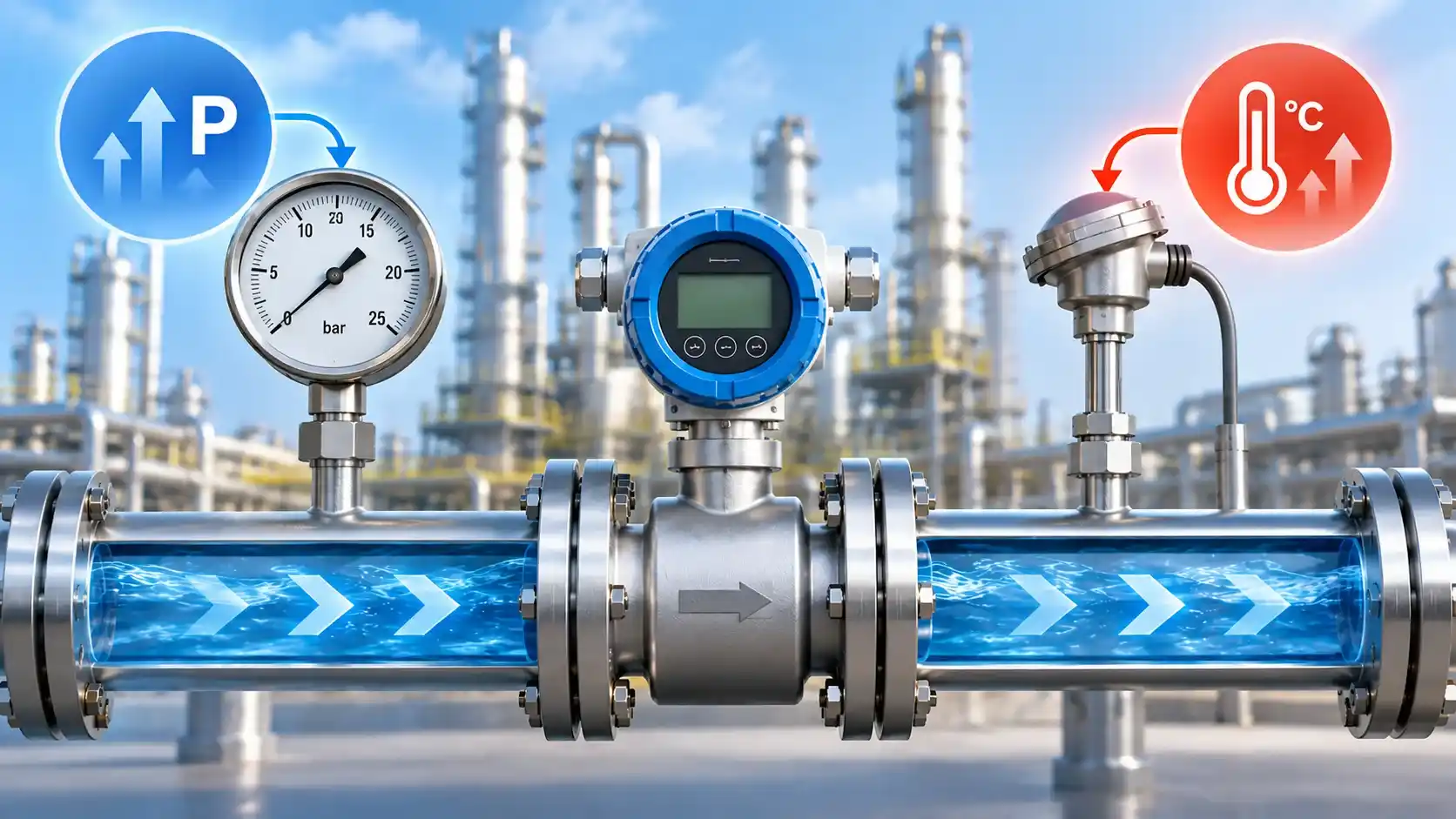
Learn how Pressure and Temperature Affect Flow Measurement, including density changes, gas and liquid flow, compensation methods, and meter selection.